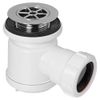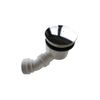


A shower trap is one of those features that can make a huge difference to your shower experience. Nothing could be more irritating than dirt and blockage spoiling your shower room. Luckily, that’s where shower traps, also known as shower wastes, come in. So, how does a shower trap work?
To help you out, at Clickbasin, we have put together this handy guide. Read on to learn more!
Table of contents
- What is a shower trap?
- How does a shower trap work?
- How to clean a shower drain trap
- Keep your shower room neat and tidy
What is a shower trap?
Like similar plumbing supplies, shower wastes and traps protect your shower from inconvenient drain blockages by retaining objects such as hair. They stop them from being swept down the drain. As a result, water can drain easily without any overflow.
The shower trap is connected to the underside of the shower tray under the floor. It’s similar to the trap in your kitchen sink and fulfils the same purpose, allowing water to drain freely out into sewage systems quickly and easily.
All in all, it’s a vital if somewhat underappreciated component of a well-functioning shower drainage system. This is because if water can’t drain properly, leaks and other types of damage to your shower room might occur. Not to mention that annoying pool of dirty water by the drain.
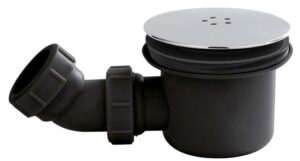
How does a shower trap work?
There are several types of shower traps, including the shower drain P-trap. However, S-shaped traps are the most popular choice. The primary difference between these types of shower drain solutions is the width of the tray and the flow rate.
Typical flow rates are:
- 11.5 litres per minute
- 24 litres per minute
- 54 litres per minute
Other options are also available.
Should there be water in the trap shower?
You might be surprised, but the answer is yes. Shower waste traps are designed to have a bit of water to sit in the shower tray. This prevents any malodorous gases from the sewer from entering your bathroom. So, if you were wondering how a shower trap stops smells, you have your answer.
When shower water flows into the shower drain pipe, it creates a vacuum that might slow down its discharge. To solve this problem, vents are fitted to allow air to pass continuously along the water flow.
Moreover, the shower base slopes downwards in the direction of the drainage hole to ensure water moves this way by force of gravity. This eliminates any build-up of soapy water that you may slip on and injure yourself.
How to clean a shower drain trap
For your shower waste to function properly, it needs to be kept clean and free from any hair or dirt. So, how do you access a shower trap?
All you need is:
- A screwdriver
- A piece of cloth
- A spray bottle
- Some white vinegar for the actual cleaning
Step one: remove the shower drain trap
Your first task will be learning how to remove a shower drain trap. Start by taking the cover off the waste. At this stage, you can use the screwdriver to remove the collected hair and dirt from inside the cover. Then unscrew the white part (the eau de trap) from the cover itself.
Step two: Clean the waste trap
Once you’re done removing the shower waste trap, pop the parts in a bucket of soapy water and rinse them. Then, mix water and vinegar in the spray bottle and spray the shower waste. Wipe it with a cloth until the trap is clean.
Step three: Re-attach the shower trap parts
Once you’re satisfied with the level of cleanliness, reattach the two parts of the shower trap and put it back into the system.
That’s it! You’re done!
Keep your shower room tidy
Shower traps and accessories are essential for preventing blockages and potential damage to your drainage system. What’s more, they provide you with a comfortable, safe, hassle-free shower experience.
Now that you know the answer to the question of how a shower trap works, you can fully appreciate this humble servant in your bathroom.
Make sure you clean yours regularly, and you’ll soon forget all about standing water in the shower.

Was this guide useful?
Mentioned in this product guide: