

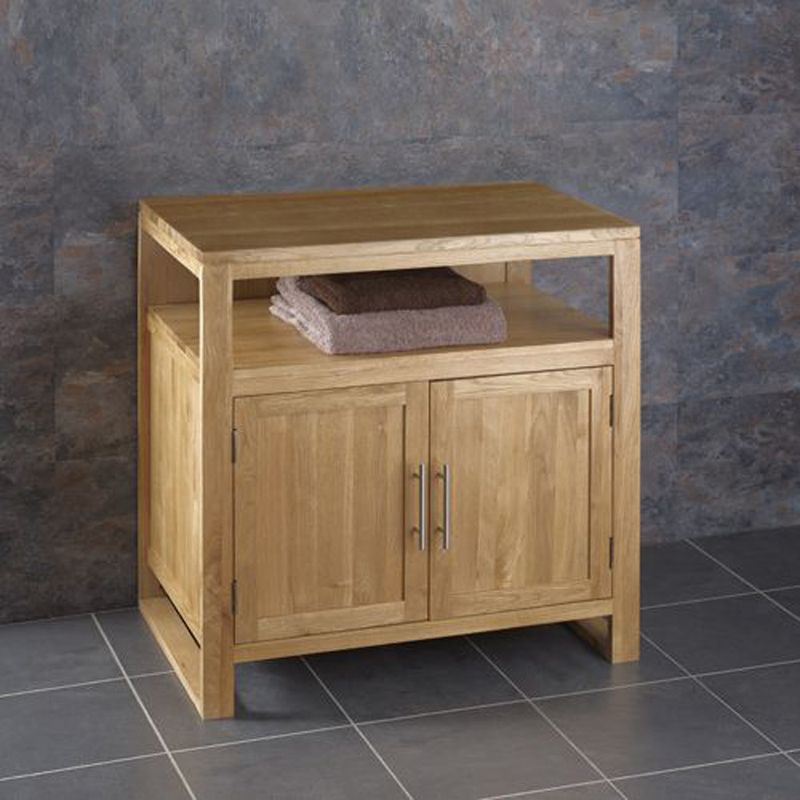
Oak bathroom cabinets need extra care when sitting in a space that’s likely to be exposed to moisture and water. They’re a natural product needing protection, more so than cheap melamine or MDF alternatives. Avoiding this can lead to the deterioration of your cabinets and, overall, a poor piece of bathroom furniture. You must learn how to protect oak bathroom cabinets to increase their longevity and save you from spending high costs on repairs or replacements within weeks of purchase.
Table of contents
- What to do when the oak cabinet first enters the home
- Installing the oak cabinet
- How to clean oak cabinets
- What is Danish Oil?
What to do when your oak cabinet is delivered
You’ve ordered your new oak cabinet, and it’s finally arrived!
Step one: Carefully remove the packaging
From the get-go, you must be very careful when removing it from the packaging. This will typically be a cardboard box, so don’t use a sharp knife to cut through the packaging. This will risk marking or damaging the cabinet. Remove any foam (usually polyfoam), then stand the cabinet as steady as possible on its legs.
Also, take care when removing handles and shelf supports from the packaging. You don’t want to risk accidentally throwing these away with the packaging.
Step two: Use a damp cloth to clean up the oak cabinet
Once all the unpacking is complete, wipe down the wood with a damp cloth. This will remove any dust or residue that’s clung to the cabinet during transportation or storage.
After these steps, you can begin the installation process!
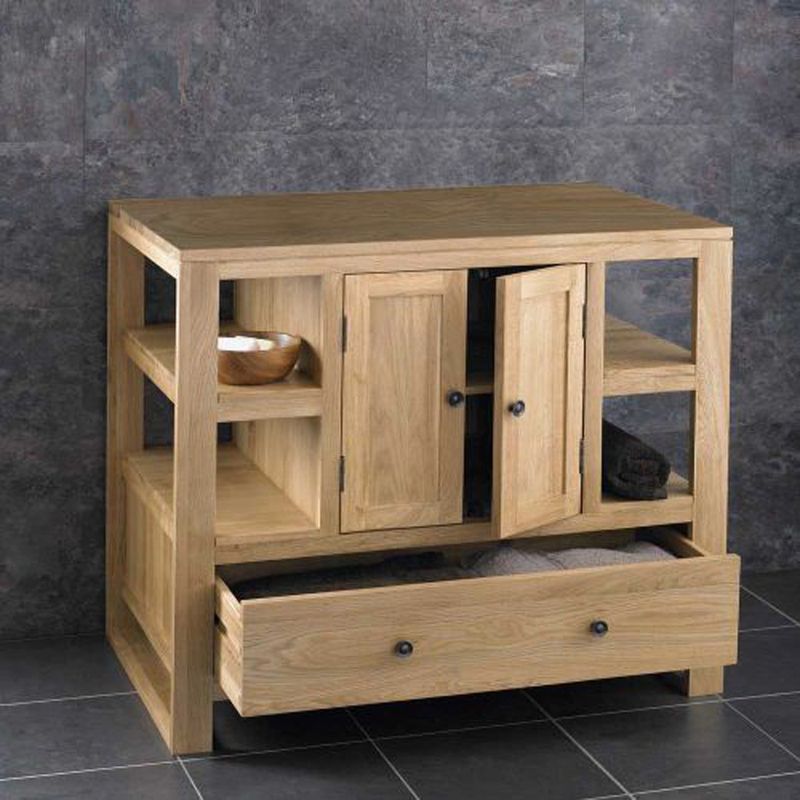
Installing the oak cabinet
You’ll need to perform specific tasks with the cabinet before, during and after the installation. Here are those tasks listed to ensure your oak bathroom cabinet is in great condition following the installation.
Before installing the oak cabinet
Some oak cabinets come with a light application of Danish oil, but it’s better to apply a layer of light or natural Danish oil to the cabinet again upon its arrival. This is required as it can help bring out the grain of the wood and improve durability. So it has a tough finish with a better waterproof exterior.
When choosing a location to install it, do not place it in the following locations:
- Near central heating vents or radiators (this can cause the wood to dry, shrink and move, which risks damage to the furnishing)
- Areas where the oak bathroom cabinet will be exposed to strong or direct sunlight (the exposure can cause the finish to fade on the furniture)
During the installation of the oak cabinet
Cabinets will usually come undrilled. It ensures you can install the basin and tap where and as you want it. This also allows you to place the pipes to suit the location of your plumbing system. After drilling the new tap and waste holes, seal them carefully with Danish Oil on the inside for improved protection.
After installing the oak cabinet
Aftercare is important. Using Danish Oil regularly is recommended to help keep a water-resistant finish. Every three to six months is advised, ensuring natural grains are durable and offer a luxury appearance.
How to clean oak cabinets
The way you clean your oak cabinets is crucial. This is because the wood is natural and so requires extra care. Typically, you will need to ensure you use a damp cloth to remove dirt and dust. Avoid using abrasive cleaning products. Using these can cause damage to the bathroom furniture.
What is Danish Oil?
Danish Oil is commonly used for wood finishes to protect and sustain the wood from the inside. It’s not a naturally occurring oil, but an oil composed of other oils. This is why various types are available.
Why should I use Danish Oil?
Danish Oil has many benefits when used on wooden furniture. The following is what makes it popular amongst those with wooden furniture.
- Easy to apply
- Four to six hours of drying time per coat
- Natural, low-glossy finish to enhance the attractiveness of the furniture
- Little odour during the drying stage and none when completely dry
- Penetrates all types of timber to ensure nourished and protected surfaces
- Doesn’t leave surface film or varnish
- Will not chip, flake, crack or peel away
- Dirt and stain-resistant (wine, beer, coffee, tea, fizzy drinks, juice and food)
- Naturally water-resistant
- Microporous to water vapours, allowing the wood to ‘breathe’
Want to check out what bathroom oak furniture you could fit into your washroom? Explore our range at Clickbasin. Alternatively, if you have additional questions about any plumbing supplies, you can contact our friendly customer service team for advice.

Was this guide useful?
Mentioned in this product guide: