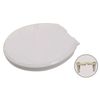


A toilet seat moving around isn’t just uncomfortable to use; it’s a potential safety hazard. Children or elderly people, in particular, might fall and injure themselves seriously. Whether we own our home or rent, a loose toilet sink must be dealt with sooner or later, especially if we live in a large household. Luckily, a wobbly toilet seat is quick and easy to deal with.
Our guide will show you how to tighten toilet seats. We’ll cover why it’s important to take care when tightening plastic screws, how toilet seat fittings vary on old and new models, and more.
Table of contents
How to fix a loose toilet seat
Before you start, wear gloves. Even a spotless-looking toilet will have some dirt or germs somewhere. Additionally, many toilet cleaning products contain high concentrations of bleach and strong chemicals. These may irritate or even damage your skin, so the gloves are an extra precaution. Ready with gloves? Let’s get to the toilet seat!
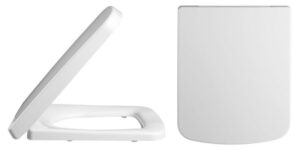
Step one: Check what toilet seat type you have
Now, most toilet seats are attached to the toilet with two long toilet seat screws that go through the porcelain. In many older models, these are typically mounted from the bottom rather than the top. You can easily check if you’re dealing with that type by looking at the underside of your toilet at the back.
Step two: If your toilet seat has protruding screws
Test to see if they’re loose. If so, centre the toilet seat and tighten the nut from below with a ratchet wrench or pair of pliers. You don’t need a specific toilet seat tightening tool.
Be extra careful when working with plastic screws. These are liable to snap when too much pressure is applied. This shouldn’t be an issue when working with steel screws.
Step three: Test the toilet seat
At this point, test the toilet seat. If it’s still a little loose, tighten the seat bolts from the top. Start by finding the screws on the top. In these models, they’re typically found just behind the seat and covered with plastic flaps. Use a slotted screwdriver to lift the caps and then tighten the screws as necessary.
Tip: Don’t overtighten steel screws, as you may crack the toilet bowl.
Toilet seat still wobbly?
If none of this has worked and your toilet seat is still wobbly, you’ll probably have to replace the bolts. In that case, it’s a good idea to buy a toilet seat fixing kit, which comes complete with everything you need to get the job done, including rubber washers you can fit underneath the bowl.
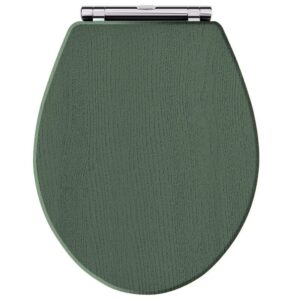
How to tighten a toilet seat with hidden fixings
To tighten a toilet seat with concealed fixings, you’ll have to remove the toilet seat first.
Step one: Locate the release mechanism
With the seat up, locate the release mechanism. More often than not, it’s a pair of metal buttons on the inside of the seat, directly above the wobbly metal caps. Other models might feature a single release button in the centre, but this design is less common. Either way, press the release mechanism and lift the seat carefully.
Step two: Check the metal anchors
Now, remove the metal caps to reveal the screws next to the metal anchors. Ensure the anchors are evenly spaced so that the toilet seat isn’t crooked. Once you’re satisfied with their location, use a suitable screwdriver (in most cases, you’ll need a standard Phillips screwdriver) to tighten the screws. Be careful not to overtighten, as you may damage your toilet.
Step three: Replace the metal caps and return the toilet seat to its position
Finally, replace the metal caps and slot the toilet seat back into position, pressing down firmly until you hear the anchors click.
That’s all it takes!
To conclude
With more and more toilets featuring a sleek design that elegantly conceals all fixings for a minimalist, contemporary look, many people are unsure how to go about fixing a loose toilet seat.
The good news is, as far as home repair DIY projects are concerned, this one is as simple as they come! Say goodbye to the uncomfortable and frankly dangerous wobbly toilet seat.
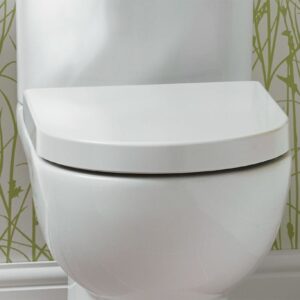
Now that you know exactly how to tighten a toilet seat with or without concealed fixings, all you need are a few basic tools, a pair of safety gloves and a few minutes of your time to fix this common issue like a pro.

Was this guide useful?
Mentioned in this project guide: