

Underground heating (UFH) systems are gaining in popularity in both new builds and renovated properties. They’re highly energy-efficient and convenient, creating a consistent temperature across the entire space. So what about when something goes wrong? After all, you don’t want to be sitting at home in the middle of December, cold and wondering, ‘Why is my underfloor heating not working?’
At Clickbasin, we’ve provided a comprehensive guide exploring some of the most common underfloor heating problems. Here you can learn what to do about them, how to repair underfloor heating and ensure its long-term performance. Read on to learn more.
Table of contents
- How long does underfloor heating last?
- How to find a leak under the floor
- How to fix an underfloor heating leak
- How to repair electric underfloor heating
- Underfloor heating maintenance tips
- To conclude
How long does underfloor heating last?
One of the first questions homeowners ask when considering an underfloor heating system is how long it’s likely to last.
With proper installation, maintenance, and service regularly, most wet underfloor heating systems have a fantastic lifespan of around 50 years. The corresponding figure for an electric system is 25 years. Moreover, both types will retain their exceptional performance for the entire duration.
In contrast, your average radiator will start to become inefficient after about 10-12 years. So, what can you do to deal with some common issues in UFH? That’s what we’re going to look at next.
How to find a leak under the floor
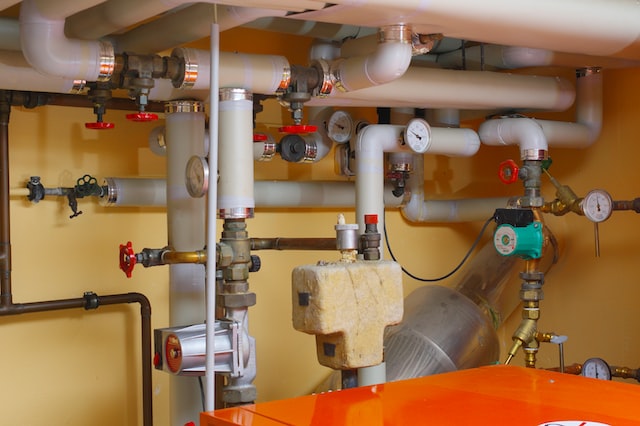
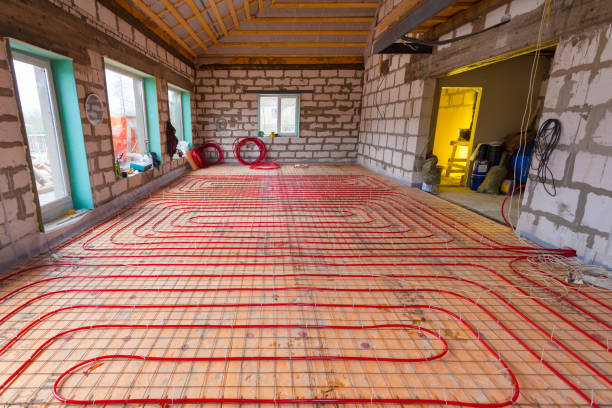
If you have a water-based system, you could face a leak or two down the road.
While less common than other plumbing leaks, underfloor heating leaks could potentially be caused by the following factors:
- Faulty installation of the system – your system should be installed by a professional in full accordance with the manufacturer’s instructions.
- Wear and tear – this is inevitable, and there’s nothing you can really do about it.
- Damaged pipes during construction work – anyone carrying out construction or renovation work after UFH has been fitted should be mindful of the system.
- Expanded pipes during freeze weather – if you live in a particularly cold area of the country, make sure your pipework doesn’t freeze during the winter.
Detecting UFH leaks can be a little tricky, as they’re typically out of sight. Still, there’s plenty you can do to find the specific location of your leak and then proceed to repair the underfloor heating.
- Keep an eye out for damp areas on the floor: As soon as you see one, dry it thoroughly and check back the next day. If the location is wet again and the ceiling isn’t leaking, you’ll know it’s the underfloor heating. The same applies to mould or mildew build-up.
- Check for cracks in wooden floors: Liquids swell the wood, creating an uneven surface and causing cracks.
- Look out for uneven temperatures: As we mentioned earlier, a consistent temperature across the entire room is one of the biggest benefits of UFH systems. If a specific part of your floor is significantly hotter than the surrounding area, it may be due to hot water leaking there.
If all of the above fail and you still suspect a leak (for instance, you keep hearing gurgling noises coming from the pipes), use thermal imaging. However, keep in mind that even the most basic thermal imaging cameras are very expensive.
So, unless you happen to have one lying around, we would recommend calling in the professionals.

How to fix an underfloor heating leak
Once you’ve successfully found the leak, start by switching off the water mains.
Then, proceed to remove the flooring around the location of the leak to get access to the pipe. The exact method to do this will depend on the type of flooring you have and how it was laid first. Regardless, always follow the manufacturer’s instructions.
Depending on the extent of the damage, you can choose to fix it using either one of the following methods.
Method one: Use self-amalgamating repair tape
Using self-amalgamating waterproof pipe repair tape is a great, quick way to fix smaller cracks in pipes. Made from self-fusing silicone, it’s easy to apply and (depending on the model) resistant to temperatures of up to 250°C- 260°C, making it ideal for use with wet UFH systems.
Wrap the tape around the crack and tighten it as much as possible to create a fully watertight seal.
Method two: Use epoxy putty
If there’s a bigger hole in the pipe or simply not enough room for you to wrap tape all the way around, we recommend using epoxy putty instead. Often used as a space-filling adhesive, most epoxy putty available on the market comes in two separate parts, often coloured blue and yellow to distinguish them.
Once mixed and applied to the hole in the pipe, the putty will harden within an hour.
Finally, replace the flooring and switch the water mains back on.
How to repair electric underfloor heating
If you have an electric UFH system, the most common issue you’re likely to encounter is a damaged or broken underfloor heating mat cable. You’ll be able to tell that you have one because that particular area of the floor will be considerably cooler than the rest.
Luckily, repairing underfloor heating cables is reasonably easy with the help of a readily available underfloor heating repair kit. Once you’ve bought one of these handy kits, ensure you’ve switched off the heating. Then, remove the flooring in the affected area.
Now, the exact sequence of steps will differ slightly from one manufacturer to the next. However, the general process involves removing the damaged section of the cable and the surrounding insulation before bridging the heating element with jump wires.
Next, you would normally connect the earth jumper cable to the metal earth screens. Then affix the heat-shrink tube (or similar, as provided) over the new section.
Remember that only one cable repair kit will fix one damaged section. So, if you have three damaged sections, for instance, you need three kits to get the whole job done in one go.
Underfloor heating maintenance tips
Regular underfloor heating troubleshooting can go a long way. It keeps your underfloor heating system in good working order and prolongs its lifespan.
Having said that, here are our top tips:
- Don’t forget to service your underfloor heating system annually: This allows for any potential issues to be identified and fixed early on before they can cause extensive damage that requires costly repairs.
- Bleed your UFH when necessary: Check out our handy guide to learn more about when and how to bleed underfloor heating.
- Be careful when doing construction or repair work: This is to avoid damaging your underfloor heating pipes.
- Do not delay when repairing underfloor heating is necessary: The longer you leave them, the more likely further issues can occur.
To conclude
Most underfloor heating systems are low-maintenance. As long as you have yours serviced regularly and follow our easy maintenance tips, you shouldn’t face any major issues for many years to come.
If you encounter a leak on your wet UFH or a damaged cable on your electric UFH, you’re now well prepared to repair underfloor heating thanks to our guide.
You can now confidently repair and maintain your underfloor heating.

Was this guide useful?
Mentioned in this project guide: